
Beyond Paper: Secure Hard Drive & Media Destruction Best Practices
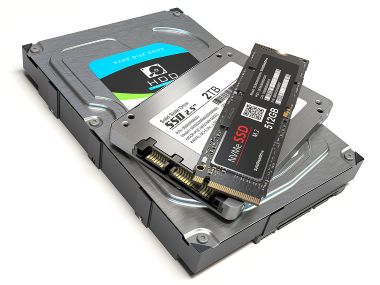 Digital devices have become the primary storage medium for sensitive information across California’s Central Valley businesses and households. While most organizations understand the importance of document shredding, many overlook the critical need for proper hard drive and media destruction. A discarded computer, USB drive, or smartphone can expose thousands of confidential records to data thieves.
Simply deleting files or reformatting drives does not permanently erase data. Recovery software can easily retrieve information from improperly disposed devices, leaving your business vulnerable to data breaches and identity theft.
Why Standard Deletion Methods Fall Short
When you delete a file or reformat a drive, the operating system merely marks the space as available for new data. The original information remains intact until overwritten. Professional data recovery tools can access this “deleted” content within minutes.
Even multi-pass software wiping cannot guarantee complete data destruction on modern solid-state drives. Hardware failures, hidden partitions, and damaged sectors may preserve fragments of sensitive information. For organizations handling protected health information, financial records, or client data throughout Sacramento, Stockton, Modesto, and Fresno, incomplete destruction creates serious compliance risks.
Types of Electronic Media Requiring Secure Destruction
Our team encounters various digital storage devices that demand proper destruction protocols:
- Hard disk drives from desktop and laptop computers
- Solid-state drives and hybrid storage devices
- USB flash drives and external storage units
- Backup tapes and magnetic media cartridges
- Mobile phones, tablets, and smartphones
- CDs, DVDs, and optical media discs
- Memory cards from cameras and other devices
- Networking equipment containing stored data
Physical Destruction: The Most Secure Method
Physical destruction remains the only completely reliable way to prevent data recovery. Hard drive shredding services use industrial equipment that reduces devices to particles no larger than two inches. This process makes data reconstruction physically impossible.
We provide on-site mobile destruction services throughout the Central Valley, allowing clients to witness the complete destruction of their media. This verification builds confidence and provides documentation for compliance audits. Our process meets NAID AAA certification standards, the highest security classification in the information destruction industry.
Compliance Requirements for Media Destruction
Healthcare organizations in Fresno and Modesto must follow HIPAA regulations requiring complete destruction of electronic protected health information. Financial institutions throughout Sacramento and Stockton face similar mandates under the Gramm-Leach-Bliley Act and state privacy laws.
California’s data privacy regulations impose strict liability for breaches resulting from improper disposal. Businesses cannot simply donate, recycle, or discard electronic devices without certified destruction. A single compromised drive could result in substantial fines, legal costs, and reputation damage. Our NAID AAA certification provides the documentation necessary to demonstrate regulatory compliance.
Developing an Electronic Media Destruction Policy
Organizations should implement clear procedures for handling outdated or damaged electronic devices. Create an inventory system tracking devices from acquisition through destruction. Designate secure storage areas for equipment awaiting disposal.
Schedule regular purges of accumulated electronic media. Many Central Valley businesses coordinate their one-time purge services to coincide with equipment upgrade cycles. This approach ensures nothing slips through the cracks during technology transitions.
Train employees to recognize devices requiring secure destruction. Even seemingly insignificant items like old smartphones or USB drives may contain access credentials, customer lists, or financial data. When in doubt, treat the device as sensitive and route it through proper destruction channels.
Frequently Asked Questions
Can I just smash my hard drive with a hammer instead of using professional destruction services?
Physical damage from a hammer may render a drive inoperable but rarely destroys the data platters completely. Specialized recovery labs can extract information from damaged drives. Professional shredding reduces devices to particles small enough to make data recovery impossible, providing the security and compliance documentation your organization needs.
How long does the hard drive destruction process take?
Our mobile destruction services can process most volumes on-site within 30 minutes to two hours, depending on quantity. You can watch the entire destruction process through security cameras mounted on our shred trucks. We provide certificates of destruction immediately upon completion of the service.
What happens to the shredded material after destruction?
All shredded electronic media is recycled through certified facilities that recover valuable metals and materials. This environmentally responsible approach keeps electronic waste out of landfills while ensuring your data remains permanently destroyed. We provide documentation tracking the entire chain of custody through final recycling.
Do small businesses in Sacramento and Stockton really need professional media destruction?
Yes. Data breach laws apply equally to businesses of all sizes throughout California’s Central Valley. A single compromised device containing customer information, employee records, or financial data can trigger notification requirements and substantial penalties. Professional destruction provides protection and peace of mind regardless of company size.
How should I prepare devices for destruction service?
Simply remove devices from their housings or equipment and store them securely until pickup. You do not need to wipe, format, or attempt any data removal. Our team handles everything from collection through destruction, maintaining chain of custody documentation throughout the process.