
The Data Breach That Starts in Your Recycling Bin
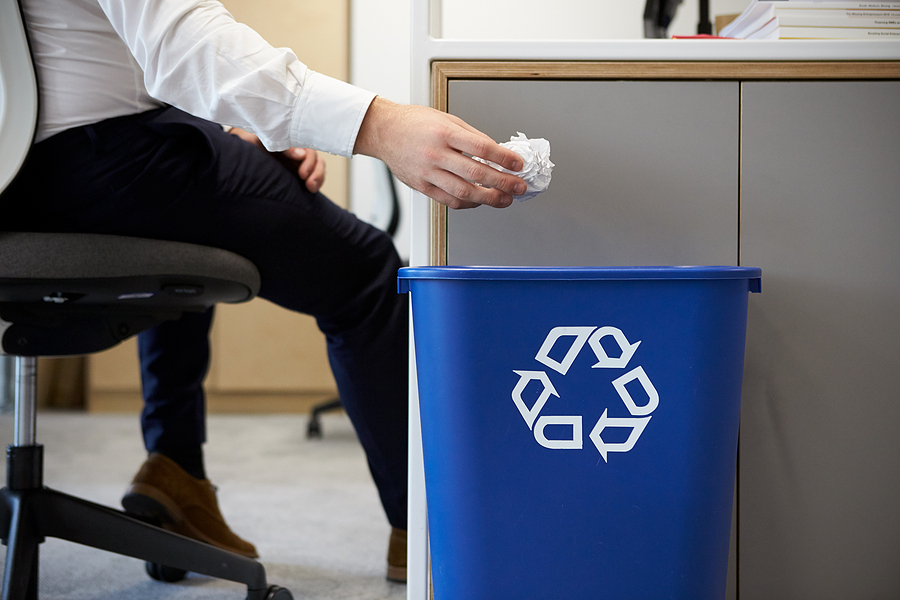
October is Cybersecurity Awareness Month, and businesses across California’s Central Valley are investing heavily in firewalls, encryption, and endpoint protection. Yet while IT departments focus on digital threats, a more fundamental vulnerability often goes unnoticed: the paper sitting in recycling bins, piled on desks, and tossed into unsecured containers throughout your office.
We’ve seen it countless times in Sacramento, Fresno, Modesto, and Stockton. A company spends thousands on cybersecurity infrastructure while printed customer lists, financial statements, and employee records sit exposed in recycling bins accessible to cleaning crews, visitors, and anyone walking through the office after hours.
The Attack Surface Nobody Audits
Data thieves don’t need sophisticated hacking skills when your sensitive information is literally sitting in the trash. This low-tech approach to data theft remains remarkably effective because most organizations never consider physical documents as part of their security posture.
Think about the paper trail in your workplace. Every printed email containing client information, every draft contract left on a printer, every handwritten note with passwords represents a potential breach point. These documents often contain the exact information cybercriminals need: names, addresses, Social Security numbers, account details, and proprietary business data.
Common Vulnerability Points in Your Office
Our team identifies these unsecured areas during assessments across the Central Valley:
- Unlocked recycling bins in common areas accessible to unauthorized personnel
- Desk piles of documents awaiting review or disposal that accumulate for weeks
- Printer stations where forgotten printouts gather sensitive details from multiple departments
- Break room recycling containers where employees discard documents without thinking
- Loading dock areas where boxes of old files sit exposed before disposal
- Individual desk trash cans used for quick document disposal throughout the workday
- Conference rooms where meeting materials get left behind after presentations
Why Scheduled Shredding Closes This Gap
The solution isn’t complicated, but it requires consistent implementation. Scheduled shredding services create a systematic approach to document security that removes human error from the equation.
We provide locked collection containers strategically placed throughout your facility. These bins serve as secure repositories for any document containing sensitive information. Employees don’t need to make judgment calls about what should be shredded because everything in these containers receives the same secure destruction.
Regular service schedules mean documents never accumulate to dangerous levels. Whether weekly, biweekly, or monthly, our team arrives on a predictable schedule to empty containers and destroy contents according to NAID AAA standards.
Beyond Regular Schedules
Not every situation fits a regular schedule. Businesses conducting annual file purges, office relocations, or departmental reorganizations need immediate solutions. Our one-time purge services handle these scenarios efficiently.
For organizations just beginning their document security journey, we offer drop-off shredding at our facilities throughout the Central Valley. This option allows businesses to test professional shredding services before committing to scheduled programs.
Building a Complete Security Strategy
Physical document security should integrate seamlessly with your digital protections. When auditing your security posture this Cybersecurity Awareness Month, include these physical elements alongside your IT assessment.
Start by identifying every location where documents accumulate in your facility. Map the flow of printed information from creation through disposal. Look for gaps where sensitive documents might become exposed, even temporarily.
Train employees to recognize what constitutes sensitive information. We work with businesses throughout Napa County and Solano Counties to develop practical guidelines that staff actually follow. The goal is making secure disposal as automatic as locking your computer when you step away.
Remember that compliance requirements like HIPAA, SOX, and GLB don’t distinguish between digital and physical breaches. A patient record pulled from your recycling bin creates the same liability as a hacked database.
Your cybersecurity investment deserves protection from low-tech vulnerabilities. Call us at (800) 685-9034 today to discuss how professional shredding services complete your security strategy. Visit our contact page to schedule a security assessment of your document handling procedures.
Frequently Asked Questions
What types of documents should go in collection containers instead of regular recycling?
Any document containing names paired with identifying information requires secure shredding. This includes customer lists, employee records, financial statements, legal documents, medical records, and internal communications discussing proprietary information. When in doubt, shred it.
How often should a business schedule shredding services?
Service frequency depends on document volume and industry requirements. Most businesses in Sacramento and the Central Valley schedule weekly or biweekly services. Healthcare and financial organizations often need more frequent pickups due to regulatory requirements and higher document volumes.
Can data thieves really get valuable information from recycling bins?
Absolutely. Dumpster diving remains a common tactic because it’s low-risk and highly effective. A single discarded document can provide enough information for identity theft, corporate espionage, or targeted phishing attacks. Physical document theft rarely gets reported or prosecuted, making it attractive to criminals.
What happens to documents after they’re collected from our office?
Locked containers remain secure until our certified team arrives for service. Documents are transported in secured vehicles to our facilities where industrial shredders reduce them to particles meeting NAID specifications. Shredded material is then baled and sent to recycling facilities, completing a secure chain of custody.
How do collection containers improve security compared to office shredders?
Desktop shredders create several problems. They’re slow, leading to desk pile accumulation. They jam, causing frustration and improper disposal. They require emptying, creating another exposure point. Secure collection containers eliminate these issues while providing documented chain of custody for compliance purposes.